
Easton Resident Lookup Records
An Easton resident lookup works best when the record matches the question. A tax record can identify a tax owner, mailing line, parcel, sale, or deed clue. A recorded deed can identify transaction parties and dates. A court docket can identify a party role and case date. Vital, probate, business, and license records each have their own custodian and access limits. None independently proves current occupancy at an Easton street address. Start with the most specific fact already known, then keep each result in its proper role.
| Record | What it can confirm | Easton-area keeper | Access boundary |
|---|---|---|---|
| County tax or GIS parcel | Tax owner, mailing or situs clues, parcel, sale reference | Northampton County Public Access | Public read access, but ownership is not occupancy. |
| Recorded deed | Transaction parties, date, and legal description | Recorder and Landex | Index and image terms vary; certified copies come from the courthouse. |
| Voter status | A voter’s own status and polling route | Pennsylvania Voter Services | Self-verification route, not a general resident roster. |
| UJS docket | Party role, court, docket, filing and status context | Pennsylvania UJS Case Search | Public docket sheets are not complete case files. |
| Vital certificate or index | Allowed birth, death, marriage, or relationship evidence | Pennsylvania Department of Health | Eligibility and historical-opening rules apply. |
| Estate or probate | Fiduciary and permitted estate context | Register of Wills and Orphans’ Court | Do not infer kinship; protected matters are restricted. |
| Business entity | Exact entity name, file number, status, and filing details | Pennsylvania Business Entity Search | It is not an owner, person, or address search. |
| Professional license | License status, board, and discipline context | Pennsylvania PALS | A license record is not residential proof. |
Use a tax or deed route for a parcel question, the court system for a case question, and the vital custodian for an eligible certificate request. A mismatch should lead to a check with the record keeper, not a decision that one database is definitive.
Search Easton UJS Dockets
The statewide UJS portal offers free covered docket sheets and calendars for several Pennsylvania court categories. Narrow a county case to Northampton when appropriate. A broad participant-name search can join unrelated people who share a surname, especially without a date or court filter. Use only the details needed to distinguish the person, such as a first name, date of birth when the portal permits it, docket type, status, or a limited filing range. A docket sheet is a public summary, not a promise of access to pleadings, exhibits, sealed material, juvenile matters, adoption records, or protected family information.
| UJS field | Field type | Required | Easton search use |
|---|---|---|---|
| County | Dropdown | No | Choose Northampton for county matters; a statewide search spans courts. |
| Participant last and first name | Text | No | Test precise spelling variants separately. |
| Date of birth | Date or text | No | Use as an identity refinement where the portal permits it. |
| Docket type and status | Dropdowns | No | Select the relevant court category and current or closed status. |
| Filed date start and end | Date pair | No | Limit the date window to reduce same-name results. |
The Pennsylvania UJS Case Search is the official source for the public docket route shown here.
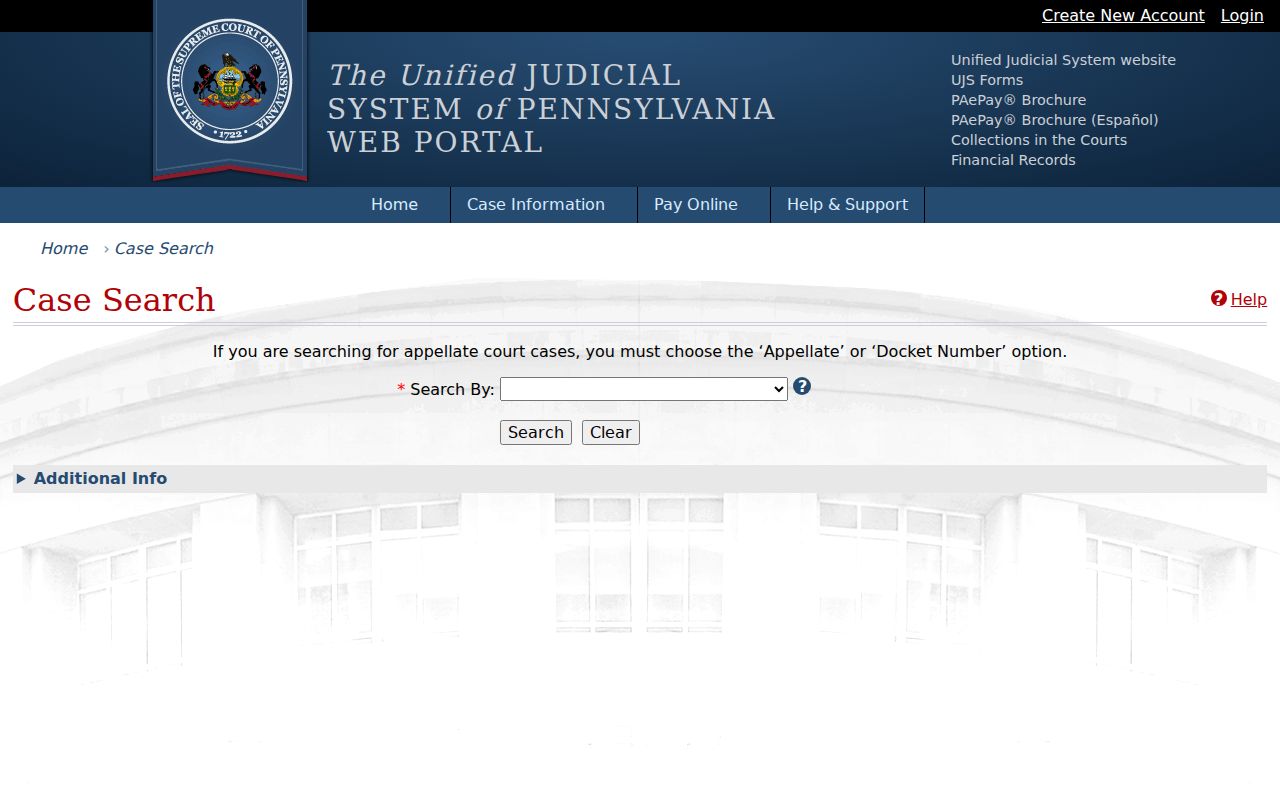
Use the resulting docket number, court, party role, and filing context as separate matching details before connecting it to a property, vital, or historical record.
Easton Same-Name Record Tests
Look up a resident by comparing at least two independent clues. A tax owner with a middle initial, a party on a docket, and an older directory entry may be three different people despite a matching surname. Compare the spelling, middle name, municipality, dated address or parcel, case role, and related document. If the tax mailing address differs from the situs address, treat it as a tax-contact clue rather than a current home location. The county property portal itself warns that its information is a read-access demonstration and may not be current.
| Docket number | Identifies the court case record and lets the correct division handle a file or copy inquiry. |
|---|---|
| Court and caption | Shows the court system and the case title or participants documented on the public docket. |
| Participant role | Places a name in the case context rather than treating every listed person alike. |
| Filing and event entries | Provide date and status context for comparing a possible same-name result. |
| Image or full file | May require a request to the custodian; a public docket sheet does not supply every filing. |
For older civil records, County Archives says viewing depends on an exact file number and a staff-confirmed inventory. If there is no civil number, an approximate filing year may lead to continuance docket books from 1753 through 1979. Certified court copies and current files belong with the originating division, not Archives.
Verify an Easton Resident
A careful verification sequence anchors a name to a dated fact and then tests it in a second system. The order below is useful when an address or parcel is already known. It does not convert a tax owner into a confirmed occupant. If the public property search is unavailable for maintenance, contact Assessment or the Recorder, or use the public terminal and Archives channels documented for the county.
- Search the available property record by address or owner mode and save the owner or mailing lines, parcel or UPI, municipality, and sale or deed reference.
- Use county GIS to confirm the location, then inspect Landex or Recorder name, date, and document filters for the transaction path.
- Run a limited UJS participant search for the name and spelling variants, comparing court, date, and role rather than relying on the name alone.
- For an eligible vital, probate, or court document, ask the custodian for the permitted copy or process and preserve the source that confirms each fact.
- Docket
- A court’s chronological public case summary. It can list parties and events but is not the full case file.
- Index versus image
- An index points to a record or document; an image is the scanned source page. Access to each can differ.
- Certified copy
- A copy issued by the custodian with its formal certification. Archives cannot issue certified court copies.
- Situs address
- The property location used in tax records. It can differ from a mailing line and does not establish occupancy.
Note: Preserve date, role, record keeper, and spelling with every match so later checks can test the same evidence.
Easton Vital Record Limits
Pennsylvania birth and death records are not open name searches. Under the state’s historical framework, births become public 105 years after birth and deaths 50 years after death. Current Department of Health certified birth and death certificates have eligibility rules. The listed fee is $20 for a certified certificate, with a $10 online service fee where applicable. Processing times should be checked with the Department when an order is made. Historical research follows a separate route through Department and State Archives indexes and copy procedures.
Easton has a county-held historical seam. Northampton Orphans’ Court maintains birth and death records in its files from 1893 through 1936, while County Archives reports one death-record book for 1893 through 1903. Call Orphans’ Court at 610-829-6488 before ordering a 1893 through 1903 death record. Marriage licenses are county court records, and divorce copies are handled by the Northampton Civil Division or Prothonotary at 610-829-6457. These access rules are about the particular record, not a broad name-search shortcut.
Easton Voter Status Limits
Pennsylvania’s official voter-status route is for an individual to check registration status and polling information. It is not a public street roster. The state’s voter-list statutes allow controlled inspection and specific releases, but they restrict use and exclude protected voters. Northampton County Election Division handles local election-administration questions and written inspection procedures at the county government center, 669 Washington Street, Easton. Its posted weekday hours are 8:30 a.m. to 4:30 p.m.; phone 610-829-6260.
The Pennsylvania Voter Services status portal is the official self-verification route.
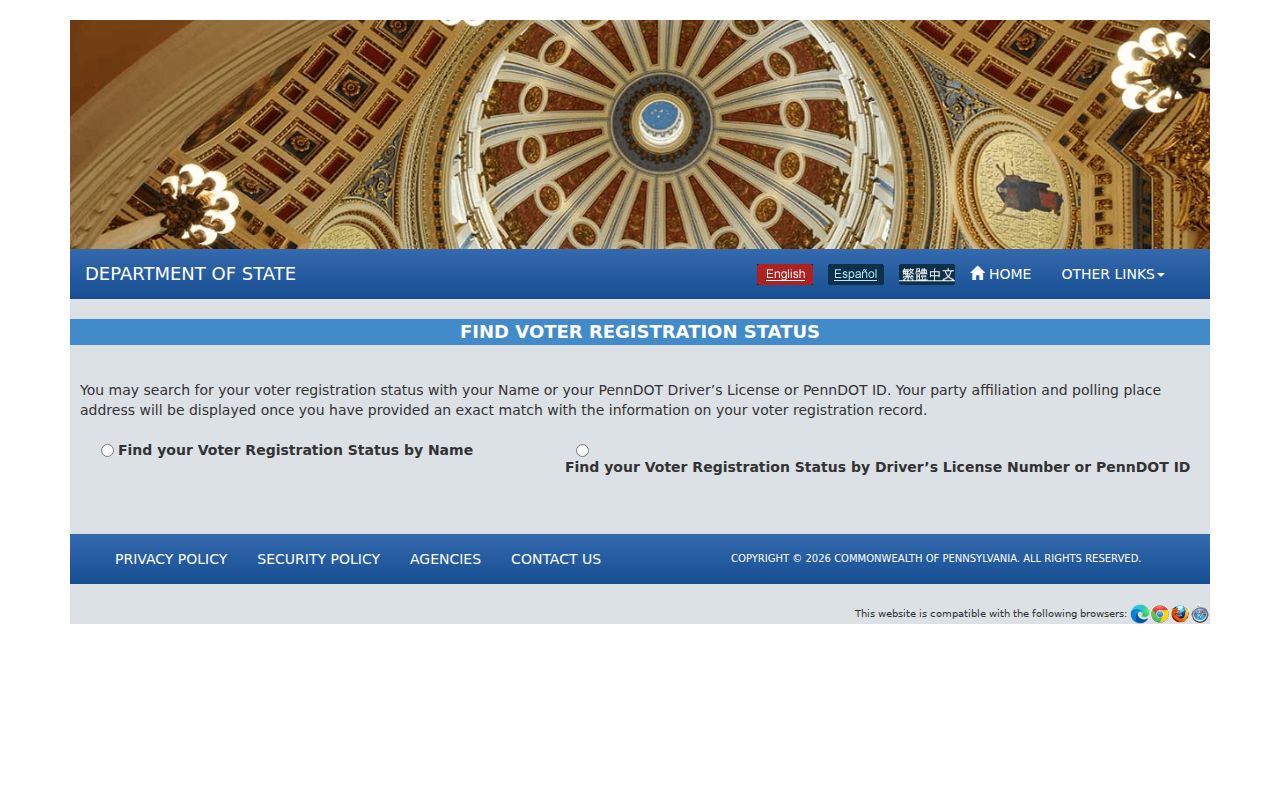
Use voter status only for its stated individual and civic purpose, and do not treat it as proof of full-time residency, household membership, or an address match in another record.
Easton Estate Record Route
An heir question needs a documented sequence. Start with an obituary, newspaper index, or historical death index to establish a death window. Then contact the Register of Wills or Orphans’ Court about the estate route and permitted copies. Distinguish the fiduciary, who administers an estate, from an heir. Shared names or an old address do not establish a family relationship. The Orphans’ Court also handles estates, trusts, guardianships, marriage licenses, adoption, and related matters, and sensitive family material should be assumed restricted unless the custodian confirms access.
The Marx Room’s obituary and newspaper indexes, city directories, yearbooks, and local newspaper microfilm offer a sound local route for a former classmate or family-history question. A directory result can provide a year or address lead, while a separate obituary can establish a death window. That layered approach is stronger than assuming identity from one surname hit.
Easton Business Record Limits
Pennsylvania’s Business Entity Search works by exact entity name or file number, with contains or starts-with options, filing type, status, and filing-date filters. It can identify a filed entity, date, type, and status. Department staff do not search by officer or owner, business address, tax identification number, or purpose. A complete written history search is $15 per entity number. Use it only after an independent record establishes the exact entity connection.
PALS offers person, facility, disciplinary, and provider modes across state licensing boards. It can verify license status and reported discipline, but it does not establish a person’s current residential location. A business, UCC, license, or notary result is an association record with its own scope, not a substitute for a verified Easton identity trail.
Easton Resident Lookup Privacy Limits
The Pennsylvania Right-to-Know Law excludes sensitive personal data, including Social Security numbers, driver-license numbers, personal financial information, personal phone numbers, personal email, and other protected identifiers. Court electronic-record policy also withholds protected identifiers and victim contact information. Pennsylvania’s Address Confidentiality Program protects participant addresses, which may be replaced by a substitute address in public-facing records. Voter releases exclude protected voters, and motor-vehicle data has separate privacy restrictions. A visible name in a docket or parcel record does not make every related detail public.
If an official record appears wrong, ask the custodian about its correction process. Use a reasonably described request under the Pennsylvania Right-to-Know Law only for a nonexempt agency record. When a historical online trail fails, pivot to the Archives research form, Marx Room staff and indexes, the State Archives guide, maps, cemetery or church sources, and newspapers. A missing online result does not justify inventing one.
Lawful use. Use Easton records only for lawful personal, family-history, civic, or consumer-safety research. Never use a record or search result to stalk, harass, intimidate, or harm another person.
Easton Federal Docket Lookup
Easton lies in the Eastern District of Pennsylvania. The PACER Case Locator is the official federal case-index route and requires an account. It uses a federal fee structure subject to current rules and waivers, so check the live PACER materials before quoting a charge. Search by party name or case number with the court or district filter. A federal result should never be merged with a Northampton County docket simply because the same name appears in both systems.
The PACER Case Locator is the source for the federal-case search channel.
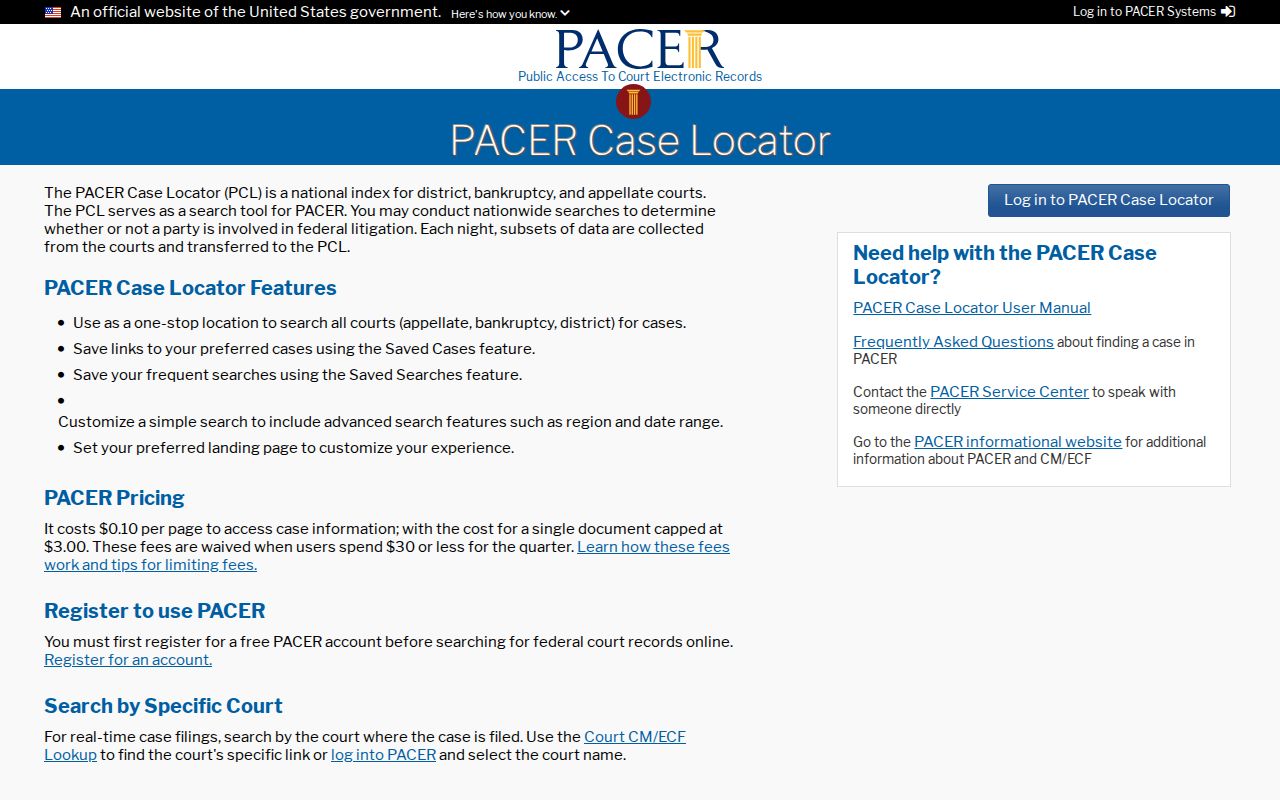
Federal and state courts maintain separate dockets, records, access rules, and copy procedures. Keep the court system attached to every result.